Commercial interiors with coordinated Sylvania lighting applications

Sylvania lighting for distinct rooms, tasks and users

The same lumen package behaves differently as mounting height, distribution, surface reflectance and viewing direction change. Application context comes first.

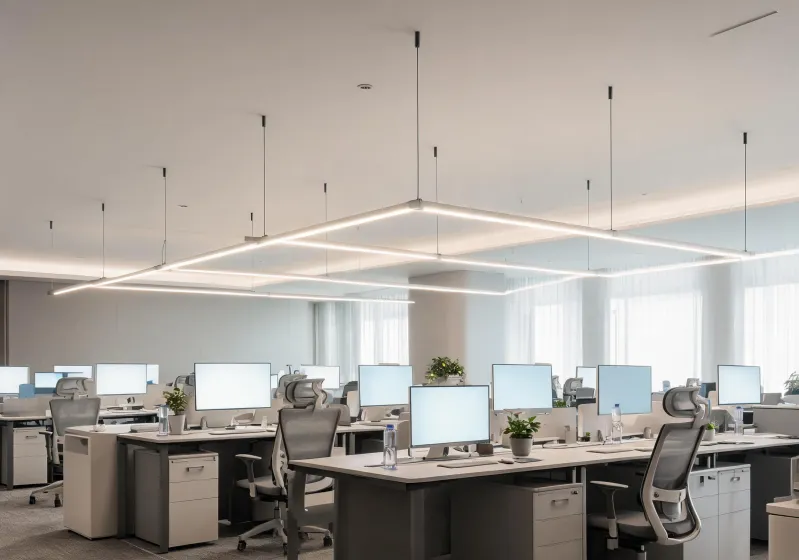
Office linear lighting

Office

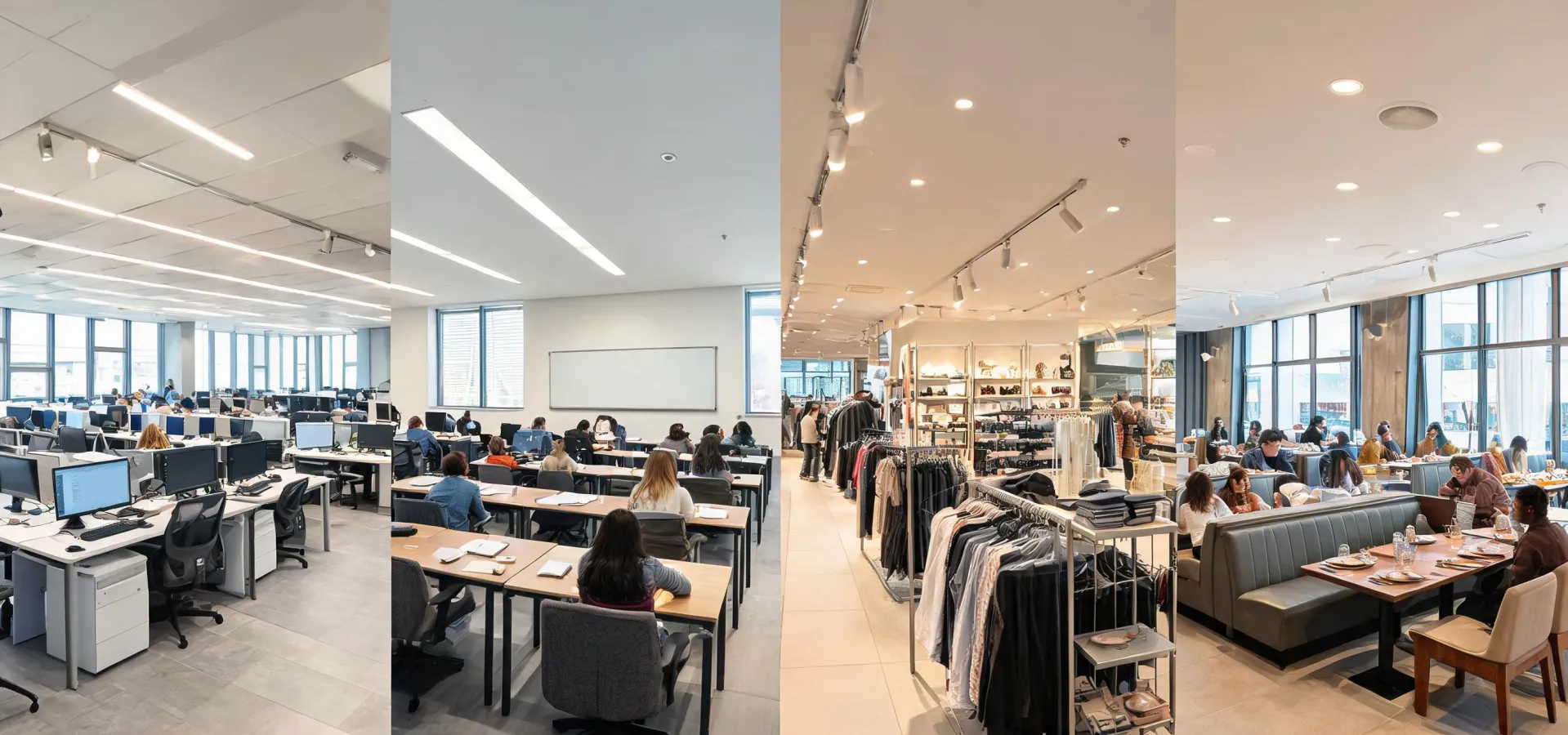
Workstation layouts need useful vertical and horizontal illumination without bright reflections on screens. UGR targets, luminaire luminance and control zones should be checked together. A typical open-plan review records desk orientation, ceiling height and daylight exposure before comparing linear or recessed systems.
Retail track lighting

Retail

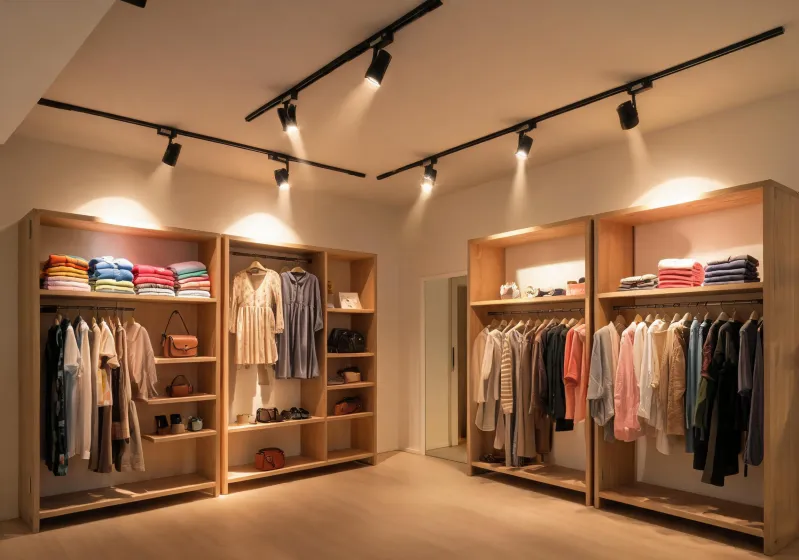
Retail schemes combine ambient coverage with accent candela. Beam angle, aiming flexibility and CRI influence merchandise presentation; a narrow optic can create contrast but may demand more careful aiming. Track loading, driver access and future display changes belong in the selection brief.

Education classroom lighting

Education

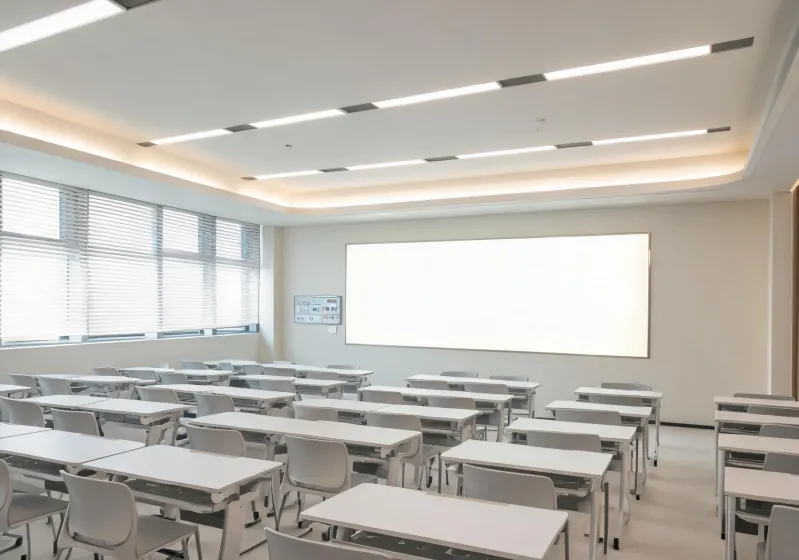
Classrooms need readable desks, a clear teaching wall and comfortable sightlines. Occupancy sensing and daylight harvesting can reduce operating hours, but zoning and override behavior must suit teaching patterns. Flicker characteristics and emergency requirements also deserve product-specific review.

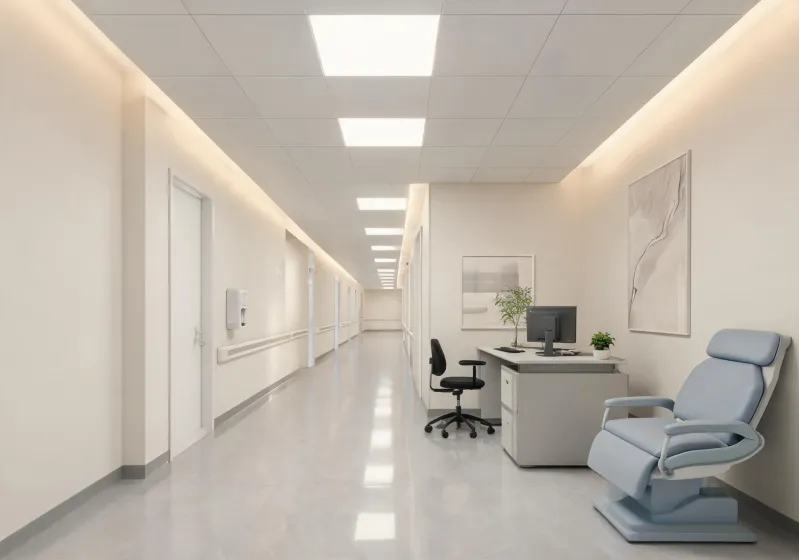
Healthcare corridor lighting

Healthcare

Clinical and circulation spaces have different visual tasks, cleaning regimes and operating schedules. Color rendering, low-glare distribution and accessible maintenance can take priority over maximum lm/W. Product suitability must be checked for the room classification and local requirements.

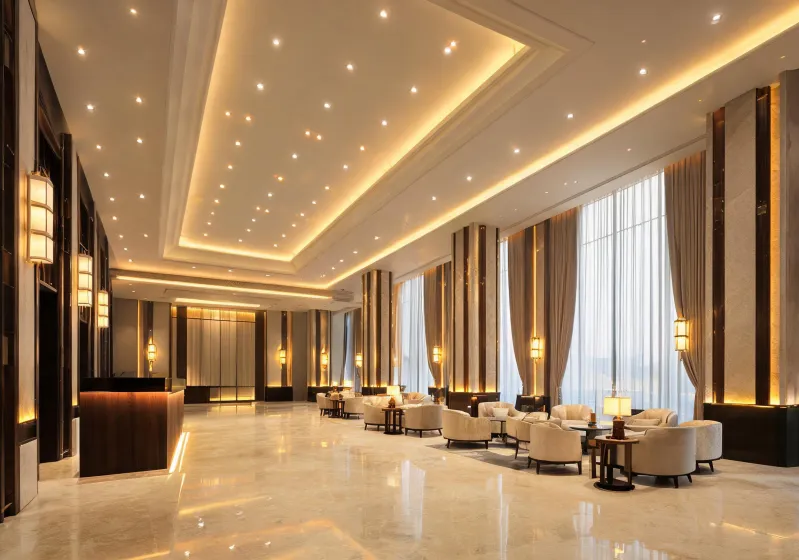
Hospitality warm lighting

Hospitality

Layered light supports arrival, orientation and atmosphere. CCT consistency, dim-to-low behavior and beam control shape the evening scene. Decorative intent must still accommodate driver location, maintenance access and emergency lighting that may sit outside the visual layer.

Warehouse high bay lighting

Warehouse

Aisle geometry, rack height and task plane determine the useful distribution. IP rating, ambient temperature and sensor coverage affect product selection. Higher efficacy can lower watts, while uniformity and vertical illumination remain important for labels, picking and safe movement.

6application briefs shown
8core specification checks
3control paths compared
1documented handover goal

Two trade-offs to document

Efficacy or visual comfort?

Maximizing lm/W can reduce system power. Prioritizing distribution, UGR and CRI may produce a more comfortable result. The appropriate balance depends on the task, operating hours and project energy target.

Integrated or serviceable?

An integrated form can improve compactness and thermal design. Replaceable drivers or light engines can simplify future maintenance. Access, warranty process and expected operating life should inform the choice.

Map performance to a real room

Bring the mounting height, task description and control intent to the discussion.

Review an Application